IN MY BAG
A NON IMPORTANT QUESTION
Scroll down to discover
REWIND
PS135 Camera






RewinPix: The Most Fun Disposable-Style Digital Camera FROM A WEDDING PHOTOGRAPHER PERSPECTIVE
-
The RewinPix Camera – A Professional Wedding Photographer Experience
In a world where most cameras are designed to be faster, smarter, and more connected than ever, it’s rare to come across a device that intentionally does the opposite. After spending some time with the RewinPix beta camera, what stood out to me wasn’t just the images it produces, but the experience it creates.
This camera isn’t trying to compete with modern digital cameras in terms of speed or technical performance. Instead, it focuses on something very different: recreating the feeling of shooting with a disposable film camera while still living in a digital world. And surprisingly, that idea works very well.
The first thing I noticed when I picked up the camera was how light it is. It’s incredibly easy to carry around all day without even thinking about it. The compact size makes it simple to slip into a bag or pocket, reinforcing its role as a casual everyday camera rather than a piece of heavy gear. It feels designed for spontaneity.
The simplicity of the camera also plays a big role in the experience. It’s genuinely easy to use. There are no complicated menus or overwhelming settings to deal with. You can simply pick it up and start shooting. That accessibility makes it approachable in a way many modern cameras are not.
The whole concept of the RewinPix revolves around recreating an analog-like experience. One of the most interesting aspects is that the camera is designed without a traditional digital screen. Instead of constantly reviewing your images, you focus on the moment and the act of taking the photo itself. This screen-free approach encourages a more intentional way of shooting and brings back a small sense of anticipation.
To compose images, the camera uses a simple optical viewfinder. It keeps the shooting experience direct and uncomplicated, reinforcing the idea that this camera is about the act of taking photos rather than managing settings or reviewing every frame.
One of the most distinctive features is the mechanical rewind system. After shooting, you physically rewind the “film,” which simulates the experience of finishing a roll on a disposable camera. This tactile interaction adds a playful and nostalgic element to the process. It’s a small gesture, but it changes how you engage with the camera and makes the whole experience feel more interactive.
Another aspect I really enjoyed is the use of film-inspired presets. These allow you to apply different visual styles to your images and experiment with various looks. The presets can already be tweaked, which adds a bit of creative flexibility. It also makes me curious about the future possibilities of the system. If custom presets become available later on, photographers could potentially develop their own signature looks.
Even though the camera leans heavily into analog inspiration, it still integrates modern features where it makes sense. The camera connects to a dedicated mobile app, which allows you to access and manage your photos. This keeps the experience simple while still providing the convenience of digital photography.
Charging is handled through USB-C, which is always a welcome choice. It keeps things practical and compatible with the cables most people already use. The battery life is also surprisingly solid. The camera offers good autonomy, making it easy to take it out for a full day of casual shooting without constantly worrying about charging.
Like any beta product, the camera isn’t completely flawless. But interestingly, some of its imperfections actually contribute to its charm. The experience isn’t perfectly polished, and that slightly experimental feeling reminds me of the unpredictability of film photography.
That said, there is one small downside I noticed. The rewind mechanism, while very fun and nostalgic, can irritate the skin slightly if you use it repeatedly in a short amount of time. It’s not a major issue, but it’s something that could likely be refined in future iterations.
What impressed me the most is how successfully this camera captures the spirit of disposable cameras. Many projects have tried to recreate that feeling digitally, but few manage to balance nostalgia and usability as well as this one does. So far, it feels like one of the most convincing attempts I’ve seen.
Another important point is the accessibility of the project. The camera is super affordable, which makes the concept even more appealing. It feels like a creative tool you can experiment with rather than an expensive piece of equipment that needs to be treated carefully.
More importantly, the project feels evolutive. Even in its current beta state, it already delivers a unique and enjoyable experience. With future improvements, refinements, and potentially more customization options, it could become an even more interesting creative device.
After spending time with the RewinPix camera, what stayed with me most wasn’t a particular technical specification. It was simply the feeling of using it.
It’s light, simple, playful, and refreshingly different from most digital cameras today. The analog-inspired interaction, the rewind mechanism, and the creative presets make it a camera that encourages experimentation and fun rather than perfection.
It’s not perfect—but that’s part of its charm. And for a beta product, it already shows a lot of promise. If the project continues to evolve in the right direction, it could easily become one of the most interesting modern interpretations of the disposable camera experience.
-
The RewinPix camera is designed as a digital compact camera that recreates the experience of shooting with a disposable film camera while maintaining modern digital technology. Its concept revolves around simplicity, tactile interaction, and a slower, more intentional photographic process. Instead of focusing on advanced menus or large displays, the camera emphasizes physical controls, film-inspired workflows, and creative experimentation.
At the core of the camera is a 13-megapixel image sensor, paired with a 4-element, 2-group lens system that aims to deliver strong image quality for a screen-free digital camera. The system captures native 13MP images without artificial upscaling or heavy sharpening, allowing the camera to maintain a natural rendering style. The internal processing pipeline is designed to provide balanced dynamic range and improved low-light performance, making the camera usable in a wide range of lighting conditions.
The RewinPix uses a large optical viewfinder measuring approximately 25 × 20 mm, designed to closely match the field of view of the lens with a 35mm-equivalent framing. This allows photographers to compose images accurately while maintaining the traditional feeling of looking through a viewfinder instead of a digital display. A small status LCD on the back of the camera shows only essential information such as battery level, Wi-Fi status, and remaining shots, reinforcing the screen-free philosophy of the device.
One of the most distinctive physical features of the camera is its mechanical winding dial, which mimics the action of advancing film after each shot. The winder also functions as the power activation mechanism for the camera, reinforcing the analog-style interaction. This design encourages photographers to slow down and treat each photo more intentionally.
The camera operates through two main shooting modes. In Camera Mode, users can shoot continuously using built-in filters without connecting to a smartphone. In Film Mode, filters behave like virtual rolls of film limited to 36 exposures. Through the companion mobile application, photographers can select from more than twenty film-inspired presets or create their own custom “film stocks,” adjusting elements such as color tone, grain, light leaks, and contrast.
Connectivity is handled through Wi-Fi synchronization with the companion mobile app, allowing users to transfer photos and manage filters directly from their smartphone. The camera includes 4 GB of internal storage, capable of storing roughly 1200–2000 photos, with support for SD cards up to 128 GB.
Battery performance is designed for casual everyday use, providing around 300 photos per charge, or roughly 250 images when the xenon flash is used regularly. Charging is handled through a USB-C connection, ensuring compatibility with modern charging standards.
Physically, the camera also offers creative expansion options. A 43 mm filter mount allows users to attach optical filters such as ND, mist, or star filters, while a cold shoe mount enables accessories like external lights or alternative viewfinders. The shutter button is also swappable, allowing users to personalize the look and feel of the camera.
Overall, the RewinPix combines a simple hardware design with flexible software customization, creating a camera that blends the nostalgic workflow of film photography with the convenience of a modern digital system.

OM SYSTEM
TG7


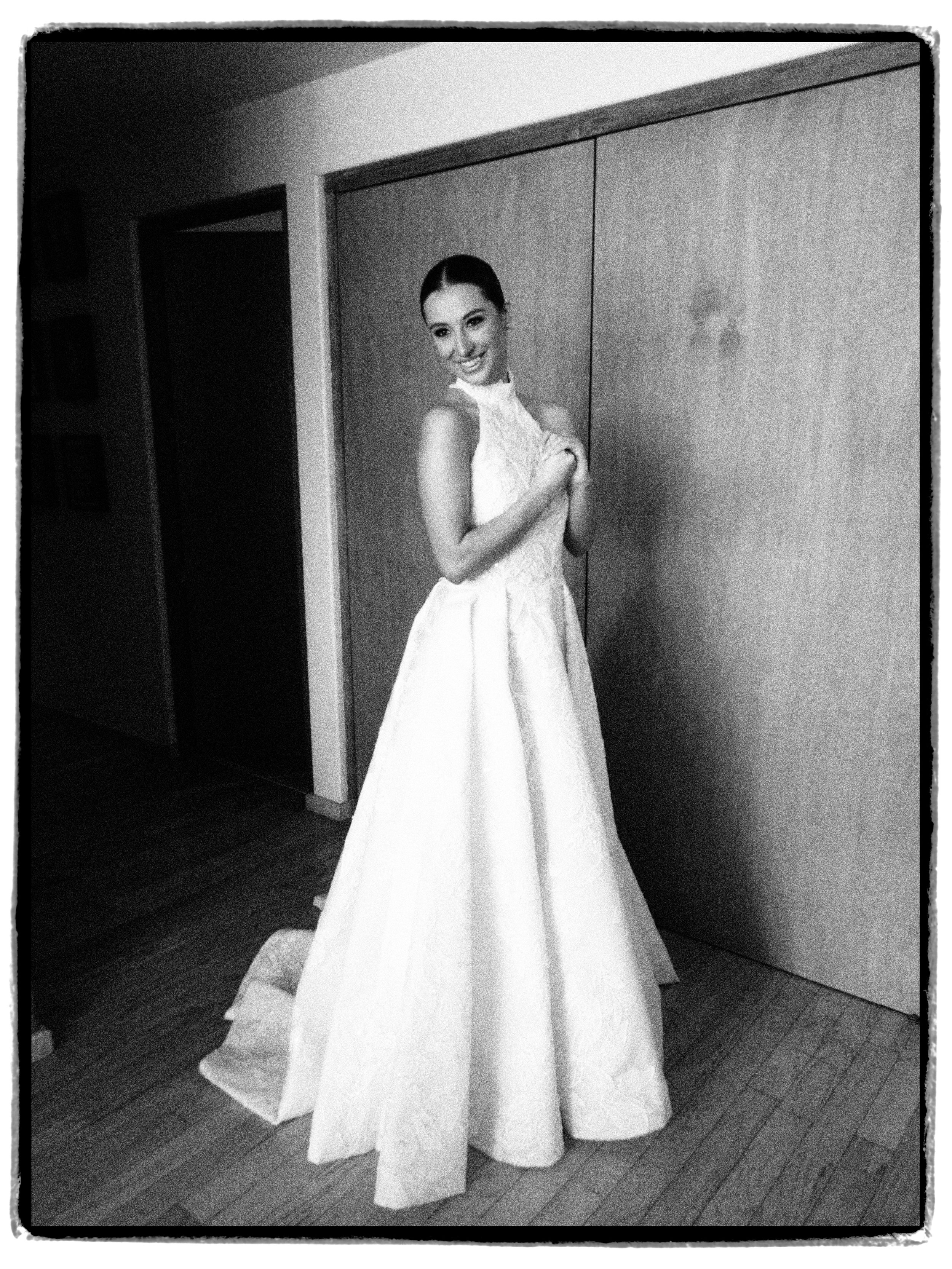
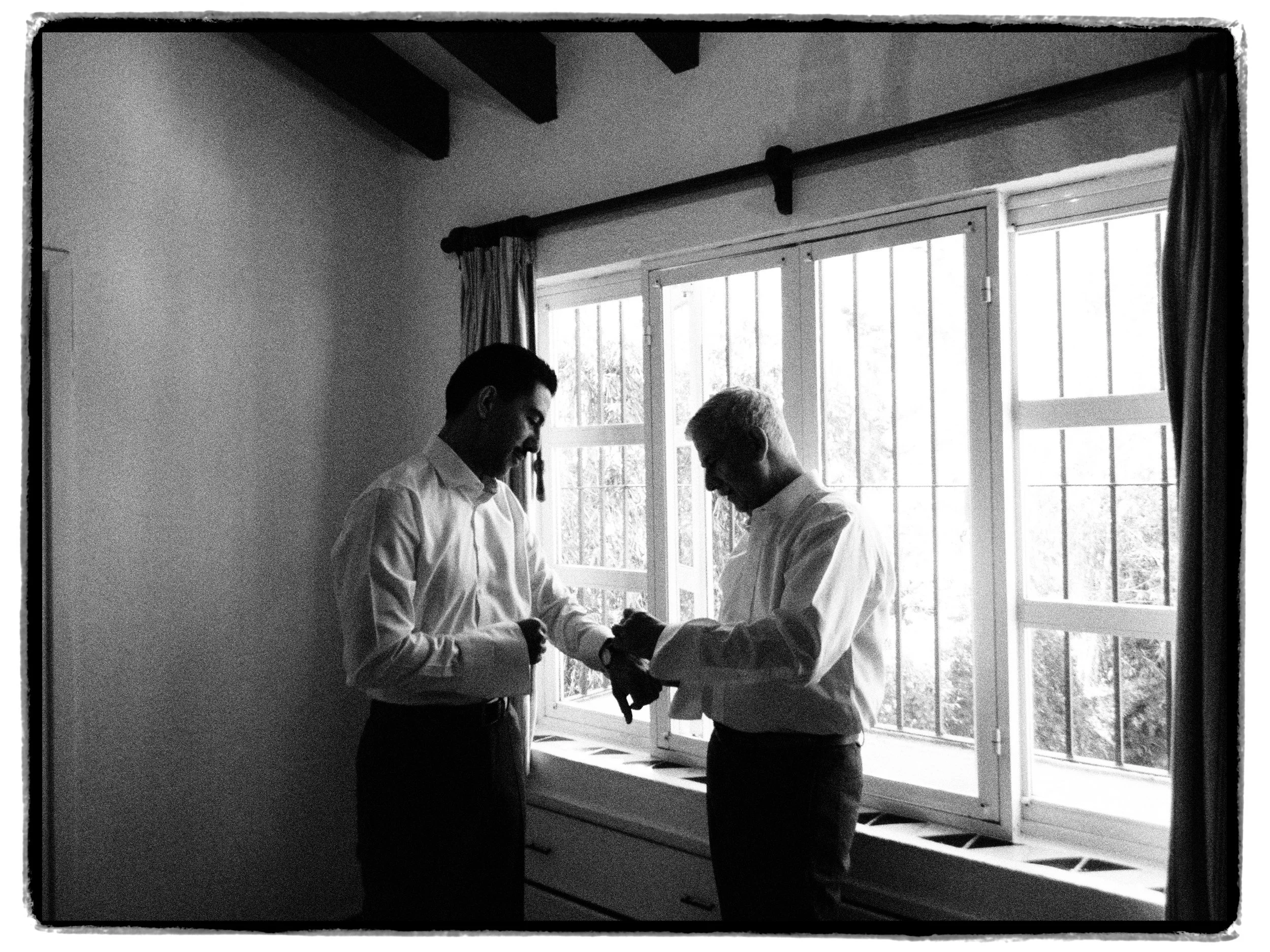

Rediscovering the Joy of Small Cameras: A Personal Review of the OM System TG-7
-
As wedding photographers, most of us rely on cameras that are extremely capable, technically advanced, and incredibly reliable. These are the tools that help us deliver consistently under pressure, in unpredictable lighting, and during moments that will never repeat. But sometimes photography needs something else as well. Sometimes it needs a camera that reminds us why we fell in love with taking pictures in the first place.
Recently, I started experimenting with the OM System Tough TG‑7, not as a replacement for my professional cameras, but as a companion—something small, playful, and inspiring. I chose it deliberately as a digicam, a category that many photographers are rediscovering for its character and simplicity. My intention was not to chase perfect technical results, but rather to explore textures and moods that feel closer to analog photography.
And in that sense, the TG-7 has surprised me more than I expected.
What makes this camera interesting is not simply its rugged design or its compact size, but the way it encourages a different approach to photography. It is the kind of camera you pick up without hesitation, slip into your pocket, and carry everywhere without worrying about it. That sense of freedom immediately changes the way you shoot.
Unlike many modern cameras that aim for absolute perfection, the TG-7 embraces a slightly rougher aesthetic. The files are not hyper-clean, and the images have texture and personality. For someone trying to recreate the emotional feel of analog photography, this quality can be surprisingly appealing.
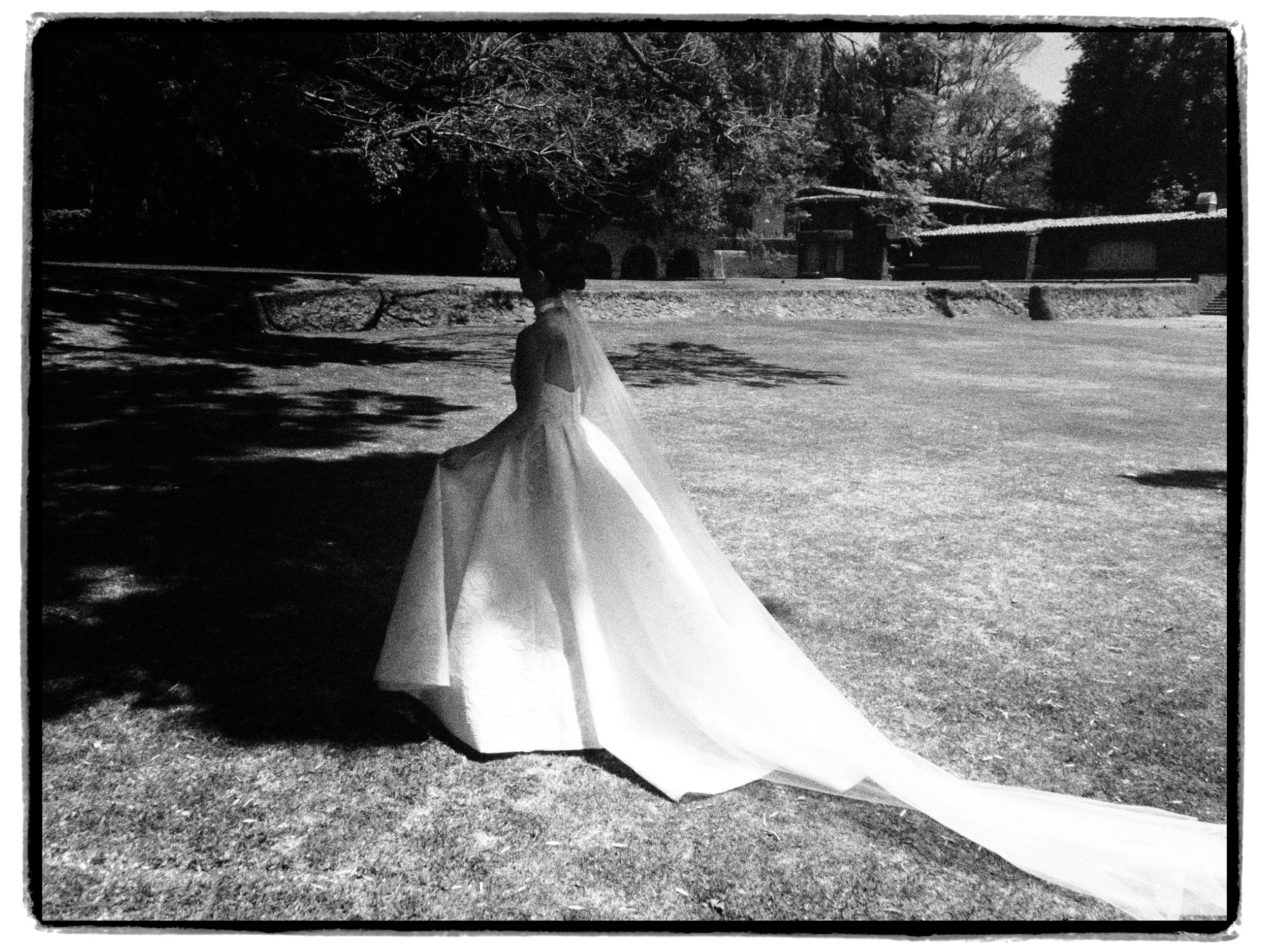
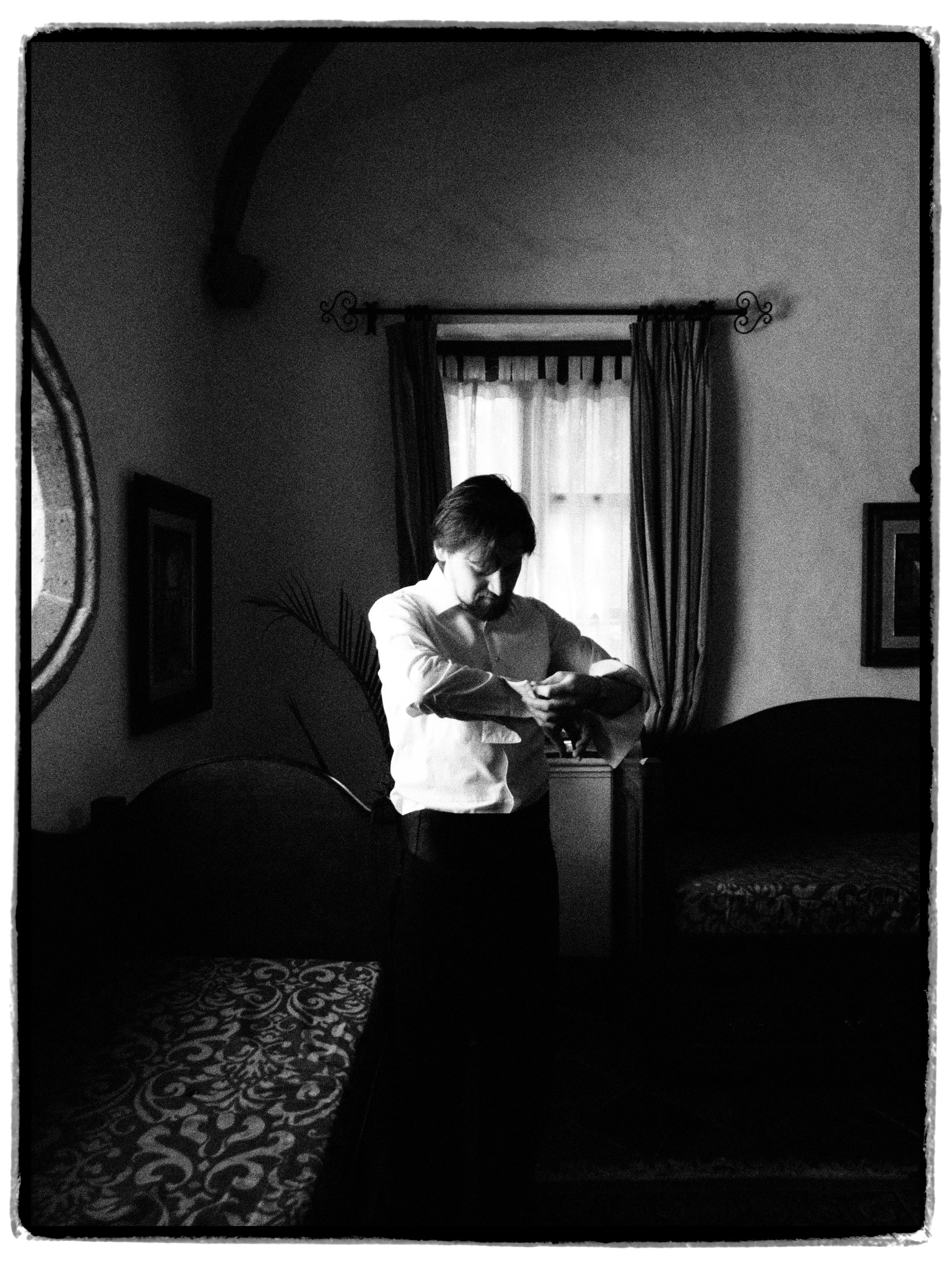
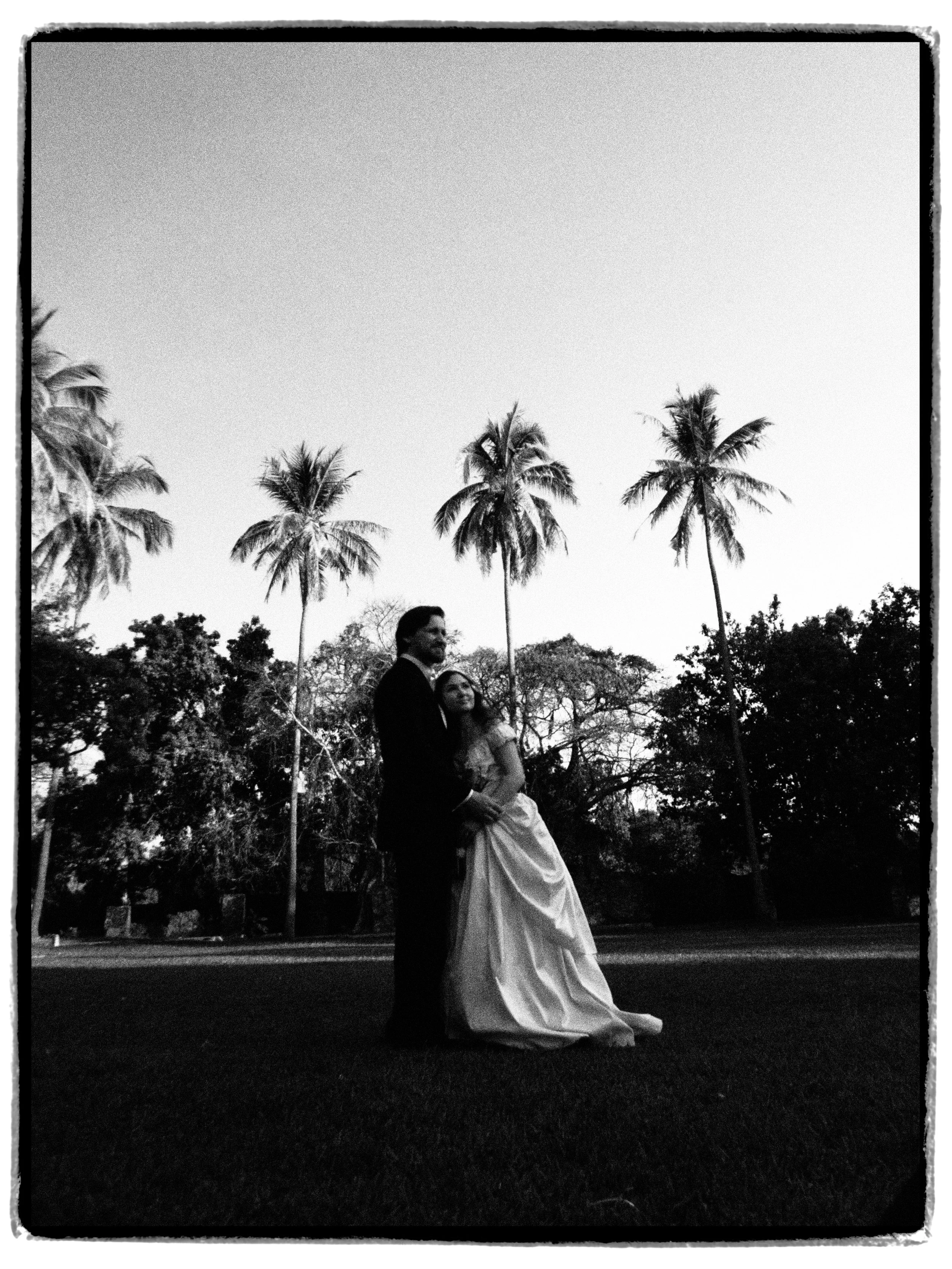
The feature that truly captured my attention is the monochrome mode, particularly the Grainy Film presets. Using the Grainy Film II filter combined with a red filter creates black-and-white images that feel remarkably close to classic film photography. The red filter deepens skies and adds contrast to faces, giving portraits a dramatic quality that many film photographers will recognize immediately.
What makes it special is that the effect happens directly in camera. The JPEGs come out already feeling finished, with strong contrast and visible grain that gives the images life. Instead of spending time trying to recreate a film look in post-production, the camera produces something expressive right away.
For photographers who enjoy the tactile feeling of analog photography, this can be incredibly refreshing. You are not endlessly adjusting sliders in editing software. You are simply shooting, looking, and reacting to the moment.
In many ways, the TG-7 invites a more intuitive way of working.
Another area where the camera shines is macro photography. One of its most fascinating capabilities is the extremely close focusing distance, which allows you to photograph tiny subjects in remarkable detail. The camera’s microscope mode lets you get incredibly close to objects that would normally require a dedicated macro lens.
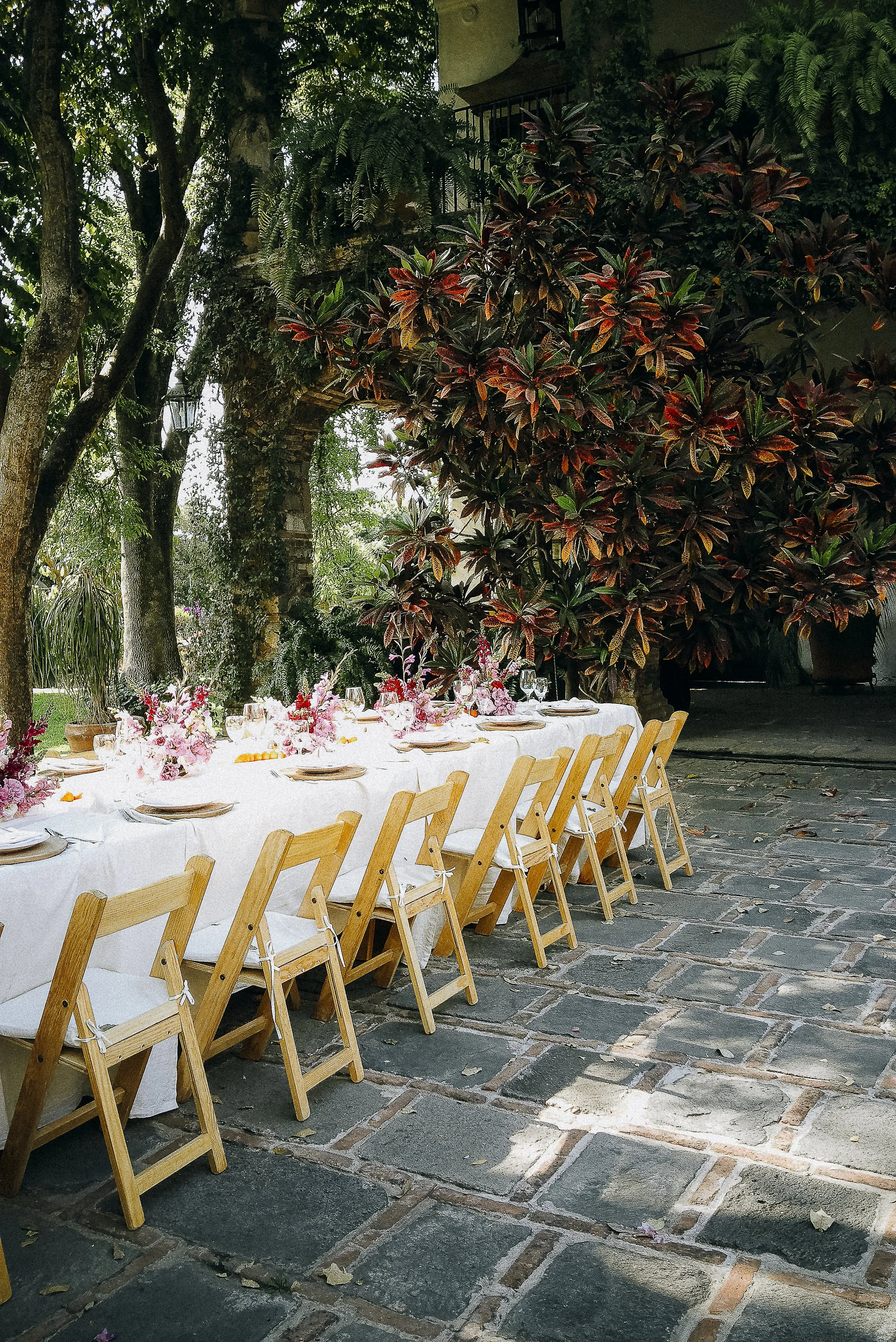
For wedding photographers, this opens creative possibilities that are easy to overlook. Rings, fabric textures, jewelry, floral arrangements, and table details suddenly become interesting subjects. When combined with the monochrome grain effect, these small objects can take on a very cinematic, almost documentary quality.
Instead of a polished commercial look, the images feel more like fragments of a story—small moments captured quietly in between the big ones.
Another aspect that adds to the charm of the TG-7 is its ecosystem of accessories. The camera can be paired with macro lighting tools such as ring lights and flash diffusers that help illuminate close-up subjects evenly. These accessories transform the camera into a tiny macro studio that can fit in your bag.
There are also conversion lenses available, including fisheye and telephoto attachments. The fisheye option is particularly intriguing, especially for photographers interested in underwater photography or creative wide-angle perspectives. While I have not yet fully explored this capability, the idea of combining a rugged waterproof camera with experimental lenses opens the door to playful experimentation.
The ruggedness of the camera itself is another important part of the experience. The TG-7 is built to withstand environments that would make most photographers nervous with their primary gear. It is waterproof, shock-resistant, and designed to handle outdoor conditions without concern.
For destination weddings, beach ceremonies, rainy days, or adventurous travel, this durability becomes incredibly liberating. Instead of worrying about protecting delicate equipment, you can focus entirely on the moment in front of you.
In practice, this means the camera often finds its way into situations where larger cameras stay in the bag. It can be used casually during preparations, quietly during dinner, or spontaneously during late-night celebrations.
Because it looks like a small compact camera rather than a professional tool, people also tend to react differently to it. Guests feel less observed and more relaxed, which can sometimes lead to surprisingly authentic moments.
In that sense, the TG-7 becomes less of a technical instrument and more of a storytelling companion.
Despite all of these strengths, the camera is not perfect—and that is part of the reason I enjoy it so much. The sensor is small, the dynamic range is limited compared to modern professional systems, and low-light performance is modest. These are not the specifications that would normally excite photographers who are used to cutting-edge equipment.
But interestingly, these limitations are also part of the aesthetic.
Film was never technically perfect either. Grain, contrast, and subtle imperfections were part of what gave analog photography its emotional texture. The TG-7, in its own digital way, recreates a little bit of that unpredictability.
After spending time with the camera, I found myself increasingly drawn to its black-and-white output. The grainy monochrome images have a mood that feels almost nostalgic, as if they could belong to a film contact sheet rather than a modern digital card.
And that is where the camera truly shines for me.
However, when it comes to color photography, my feelings are slightly different.
The TG-7 produces perfectly good color images, but they do not have the same distinctive personality that its monochrome mode provides. For colorful digicam photography, I sometimes find myself drawn toward older compact cameras that use CCD sensors.
Cameras such as the Sony Cyber‑shot DSC‑T700 or compact models from the Canon IXUS series have a very particular digital color rendering that many photographers now find nostalgic. The colors can be vibrant, sometimes a little unpredictable, and often accompanied by the unmistakable look of direct flash photography.
That aesthetic has become its own visual language—something that feels very early-2000s in the best possible way.
So while the TG-7 has become my small companion camera for grainy monochrome storytelling, I still find myself reaching for those older digicams when I want playful color images with that classic point-and-shoot feeling.
In the end, I have come away from this camera feeling genuinely surprised.
The TG-7 is not a camera that tries to impress you with technical perfection. Instead, it offers something more emotional: a reminder that photography can still be experimental, tactile, and fun.
For photographers who are curious about rediscovering the joy of simple cameras—and especially for those who love the look of textured black-and-white images—the TG-7 can be an inspiring tool.
Personally, I am still a little overwhelmed by how much character this small camera can produce.
It will not replace my professional equipment, and it was never meant to. But it has found a permanent place in my bag as a creative companion.
And sometimes, that is exactly the kind of camera we need.
-
Technical Overview: OM System Tough TG-7
The OM System Tough TG-7 was released in September 2023 as the latest generation in the long-running Tough compact camera series. It is designed primarily for photographers who need a durable, all-weather compact camera capable of macro photography, underwater shooting, and travel use. At launch, the camera carried a suggested retail price of around $549 USD, placing it in the premium rugged compact category.
At its core, the TG-7 uses a 12-megapixel 1/2.3-inch BSI-CMOS sensor paired with the TruePic VIII processor. The camera includes a built-in 25–100 mm equivalent zoom lens with a bright f/2.0 aperture at the wide end, which helps in low-light situations and underwater environments. While the small sensor limits dynamic range compared with larger cameras, it allows for very deep depth of field, which is particularly useful in macro and underwater photography.
One of the strongest features of the TG-7 is its macro system. In Microscope Mode the camera can focus as close as 1 cm from the subject, allowing extremely detailed close-up images of small objects such as insects, textures, or jewelry. The camera also includes focus stacking and focus bracketing, which help produce sharper macro images with greater depth.
Durability is the defining characteristic of the TG-7. The camera is waterproof down to 15 m (50 ft) without a housing, shockproof from drops of about 2.1 m, crushproof up to 100 kg, dustproof, and freeze-resistant to −10 °C. With the optional underwater housing, it can reach depths of 45 m (147 ft).
For best results, photographers often shoot in Aperture Priority mode, keep ISO between 100–400, and use Microscope Mode for macro work. The camera also offers creative JPEG profiles such as Grainy Film monochrome, which many photographers enjoy for stylistic images.
Overall, the TG-7 stands out as a rugged, versatile compact camera, particularly valued for macro photography, underwater capability, and durability in extreme environments.