

Photographers for your intimate destination wedding or elopement
DIRECTOR’S CUT
For the Nostalgic, Storyteller, IMPERFECTION, CREATIVE and Cinema Lovers
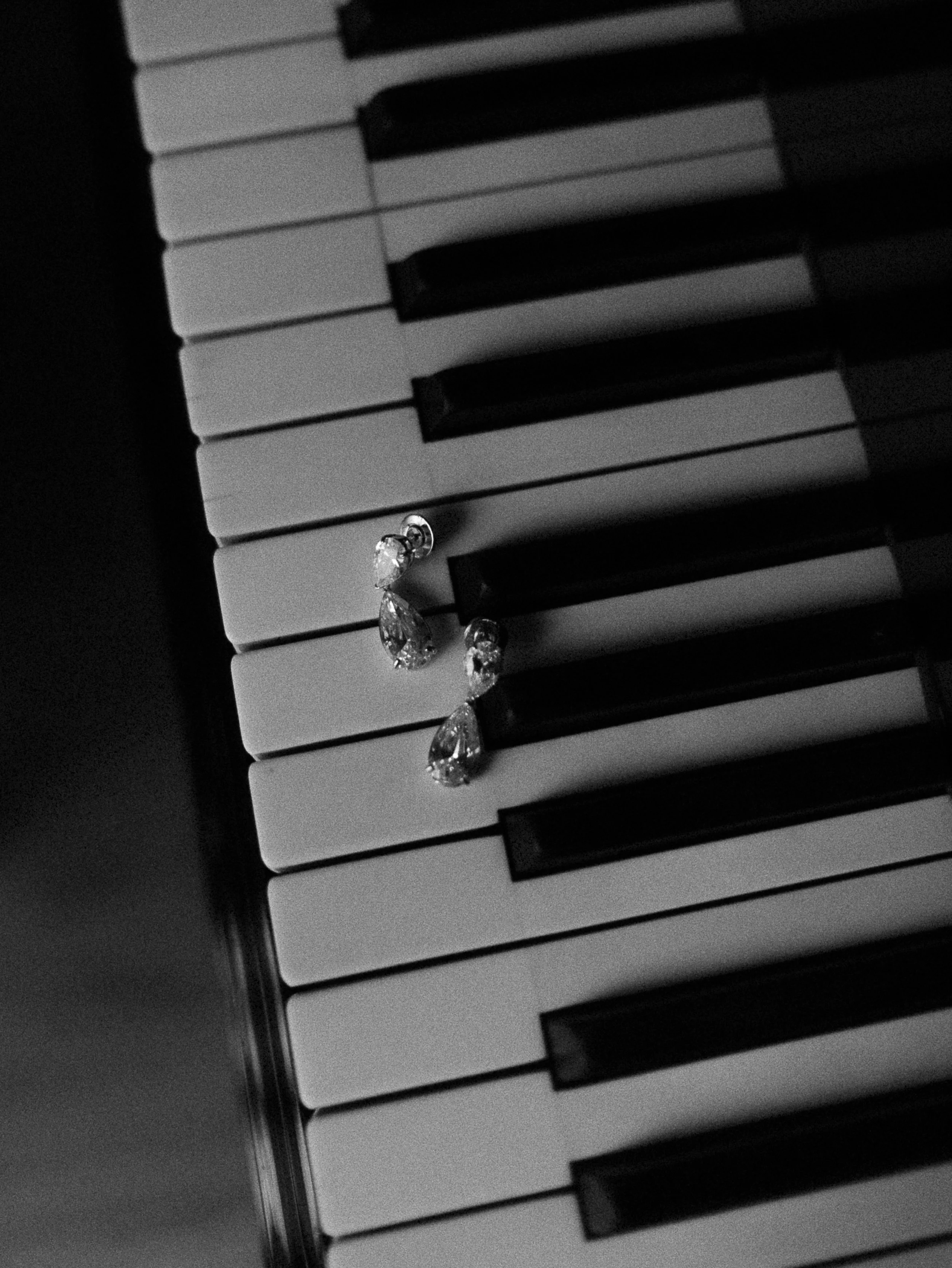
SOUL MIND HEART
BEHIND THE SCENE
Director’s Cut,
Photography has always been more than the simple act of capturing a moment. Every image carries a story, a sensation, a silent intention that often remains invisible to the viewer. With the Director’s Cut, I want to open a new window into my creative process, sharing not only the photographs themselves but also the personal journey behind them.
In this space, I present a curated selection of images that hold a particular significance for me. They might represent a technical challenge, a moment of pure instinct, an unexpected encounter, or simply a feeling I can’t forget. What unites them is that each one contains a piece of my perspective, something that deserves a deeper look.
Alongside each photograph, you’ll find its EXIF data — a transparent look at the technical choices that shaped the final frame: the lens, the aperture, the shutter speed, and all the decisions that happened in the fraction of a second when the image was made. These details are part of the story too, revealing how craft and intuition meet.
But the heart of this concept lies in the commentary. For each image, I share a short text and an audio message — a more intimate, direct way of inviting you into the moment. Think of it as standing next to me while I tell you what I saw, what I felt, and why this particular frame matters.
The Director’s Cut is an invitation to slow down, to listen, and to connect differently with the images. It is a way for me to bring you closer to the creative spark that drives my work. I hope these stories will enrich your experience and offer a more personal look at the art behind the lens.
HOMMAGE TO MARIO GIACOMELLI
POETRY
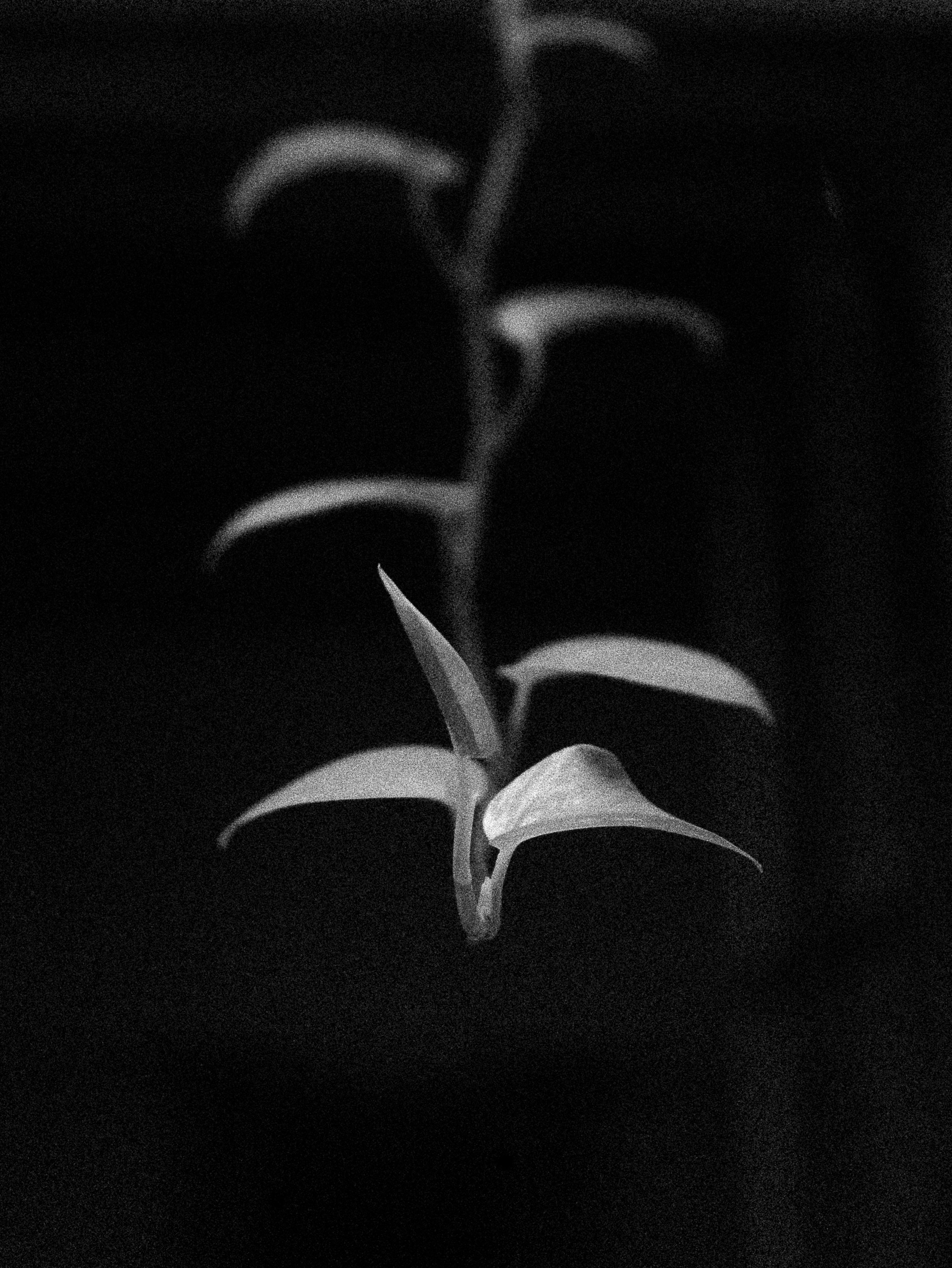
未
完
成
の
花
も
散
り
際
に
光
を
ま
と
う
時
の
流
れ
が
や
わ
ら
か
く
心
を
打
つ
美
し
さ
ソウルマインドハートでは、不完全さを美しく、意味深く、大切な物語の軸と捉えています。その視点が結婚式の日の感情を静かに、深く動かします。
未完成のものに、静かな美しさがある。
まっすぐではなく、しなやかに揺れる瞬間に。
ゆっくりと、不均一に、正直に育つ愛に。
結婚は、物語の終わりではなく、
長い旅路の中に生まれる、ひとつの間(ま)。
不完全と呼ばれるものの中に、
私たちは、最も深い美を見出す。
第一章|不完全の中に宿る、美しさ(侘び寂び)完璧である必要はありません。 むしろ、完璧でないからこそ、そこに心が宿ります。
侘び寂びとは、欠けているものを嘆く思想ではありません。 移ろいゆくもの、儚いもの、均整のとれていないものの中にこそ、 静かで深い美を見出す日本独自の感性です。
結婚という一日は、人生の中の「完成形」ではありません。 それは、これから続いていく長い道のりの、 ほんの一瞬の通過点にすぎません。
私たちは、その一瞬を、飾り立てることよりも、 ありのままに見つめることを大切にしています。
少し震える手。 言葉にできず、沈黙が流れる時間。 涙と笑顔が同時にこぼれる瞬間。
それらはすべて、不完全です。 しかし、その不完全さこそが、 二人がここまで歩んできた時間の証であり、 これから共に歩む未来への静かな誓いでもあります。侘び寂びの美しさは、派手さの中にはありません。 控えめで、奥行きがあり、見る人の心にそっと触れます。
私たちのウェディング、エロープメントは、 その精神に深く根ざしています。
装飾を減らし、余白を残す。 演出を抑え、感情に耳を澄ます。
風の音、光の角度、季節の匂い。 そのすべてが、二人の物語の一部になります。
「こうあるべき」という型から自由になり、 「今、この瞬間にあるもの」を尊ぶ。
それが、私たちが大切にする侘び寂びの結婚式です。
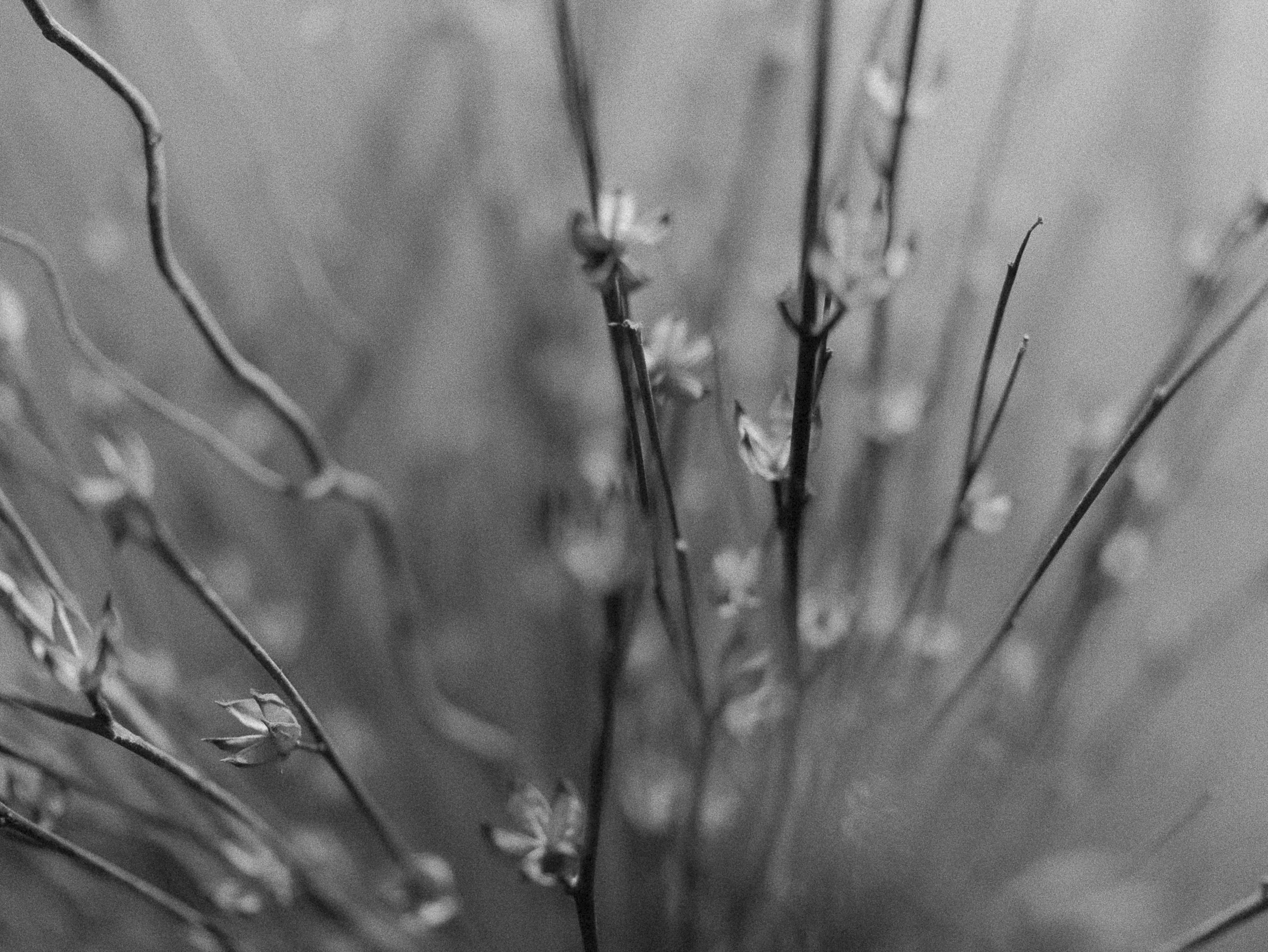
第二章|今ここに在ること(マインドフルネス)結婚式の日、 時間は驚くほど早く流れていきます。
だからこそ、私たちは立ち止まります。 深く息を吸い、 今ここに在ることを選びます。
マインドフルネスとは、 特別なことをすることではありません。
評価せず、急がず、 ただ「感じる」こと。
大切な人が隣にいるという事実。 指先に伝わる温度。 言葉にならない安心感。
それらを、逃さずに受け取ることです。
私たちのエロープメントや少人数の結婚式は、 静けさを大切にしています。
観客のためではなく、 誰かに見せるためでもなく、 ただ二人自身のための時間。
写真や映像は、その結果として生まれるもの。
カメラの存在を忘れるほど、 二人が自分たちの内側に集中できる空間をつくります。
日本文化には、 「間(ま)」という概念があります。
音と音のあいだ。 言葉と言葉のあいだ。
その余白にこそ、 本当の感情が息づきます。
私たちは、その「間」を壊しません。
沈黙も、迷いも、 すべてが大切な一部だからです。
今この瞬間を、 未来のために消費するのではなく、 今この瞬間として、生き切る。
それが、私たちのマインドフルなウェディングの在り方です。
第三章|少しずつ、丁寧に(改善・カイゼン)日本には「改善(カイゼン)」という考え方があります。
急激な変化ではなく、 小さな積み重ねを尊ぶ姿勢。
結婚も、愛も、 一日で完成するものではありません。
日々の選択。 小さな思いやり。 言葉にしない優しさ。
その積み重ねが、 二人だけの関係を形づくっていきます。
私たちの仕事も、同じです。
完璧を目指すのではなく、 常に耳を澄まし、 少しずつ、より深く。
光の読み方。 距離の取り方。 感情が動く瞬間を待つ忍耐。
すべては、時間と経験によって磨かれていきます。
だから私たちは、 「早く」「多く」撮ることを選びません。
一瞬を軽く扱わず、 一つひとつに心を込める。
それは、日本の職人精神にも通じる姿勢です。
結婚式もまた、 一つの完成品ではなく、 人生という長い工程の一部。
その始まりの日を、 丁寧に迎えることは、 これからの人生を丁寧に生きることにつながります。
第四章|初心を忘れずに(初心・しょしん)「初心忘るべからず」
日本には、 始まりの心を大切にする言葉があります。
慣れが生まれる前の、 柔らかく、まっさらな心。
結婚を決めたときの、 少し不安で、 それでも確かな温かさ。
その感覚を、 形として残すこと。
それが、私たちの願いです。
豪華さよりも、 誠実さを。
派手さよりも、 深さを。
初心の心は、とても壊れやすい。 だからこそ、 丁寧に扱う必要があります。
エロープメントという選択は、 その初心を守るための、 とても静かで強い決断です。
二人だけ、 あるいは本当に大切な人だけと過ごす時間。
その中で交わされる誓いは、 誰かに見せるためではなく、 二人自身のためのもの。
初心は、 未来を照らす灯りになります。
迷ったとき、 立ち止まったとき、 この日の記憶が、 二人を静かに導いてくれるでしょう。
結び|不完全なまま、共に生きる私たちは、 完璧な愛を約束することはできません。
けれど、 不完全なまま、 共に在ることの美しさを信じています。
侘び寂び。 マインドフルネス。 改善。 初心。
それらはすべて、 派手な言葉ではありません。
しかし、 人生を深く、静かに豊かにしてくれる 確かな指針です。
あなたたちの結婚が、 誰かの理想ではなく、 あなたたち自身の真実でありますように。
その始まりの一日を、 私たちは、 心を込めて、そっと見守ります。
不完全なまま。 美しいまま。
ここから、すべてが始まります。
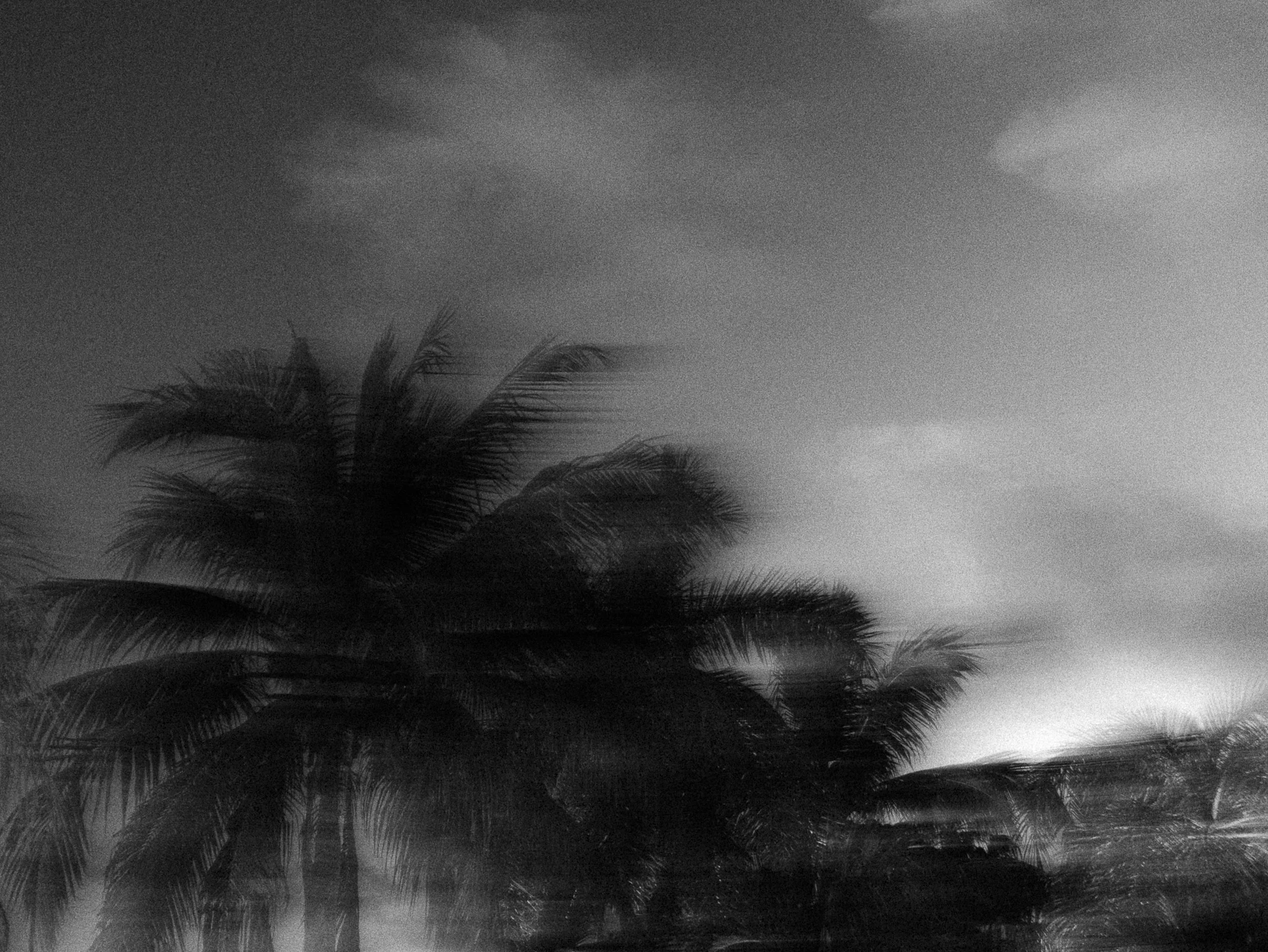
IKEBANA AND PHOTOGRAPHY
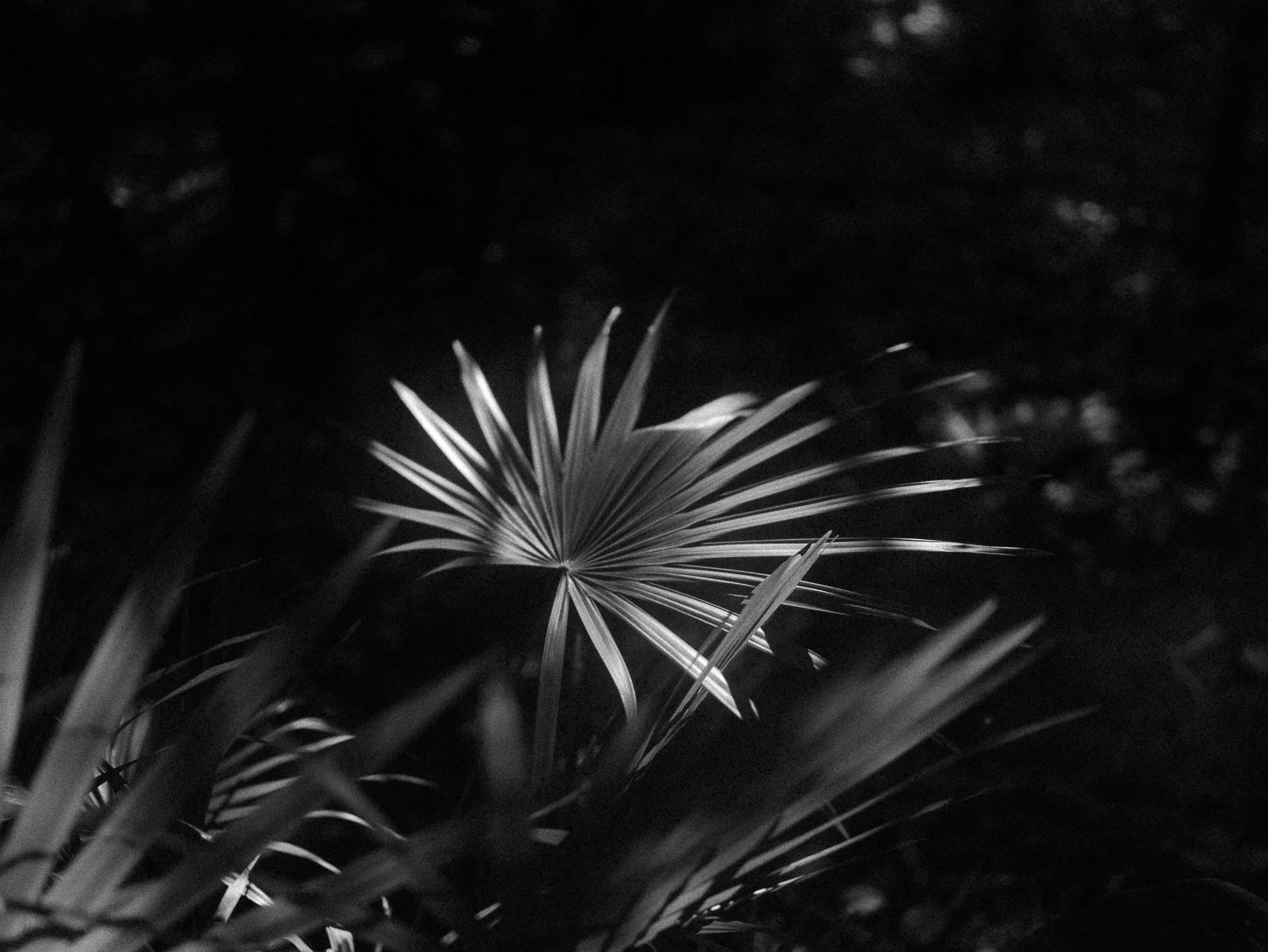
At first glance, Ikebana and photography might seem worlds apart—one is centuries-old, tactile, and meditative; the other modern, mechanical, and instantaneous. Yet, a closer look reveals that both are deeply concerned with the way we perceive and structure the world. They share fundamental principles: framing, balance, use of color, the dance of light and shadow, and the thoughtful application of empty space.
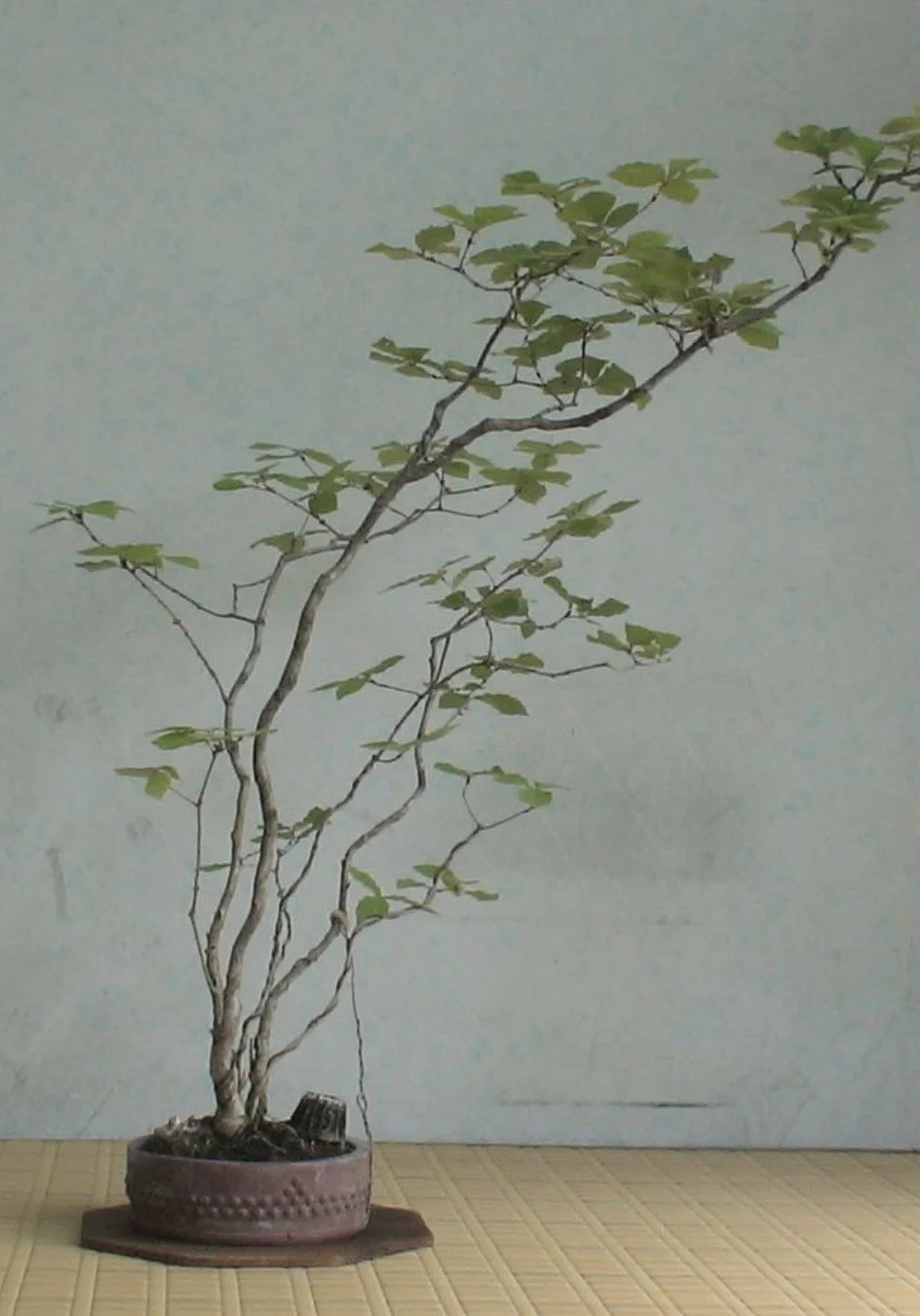
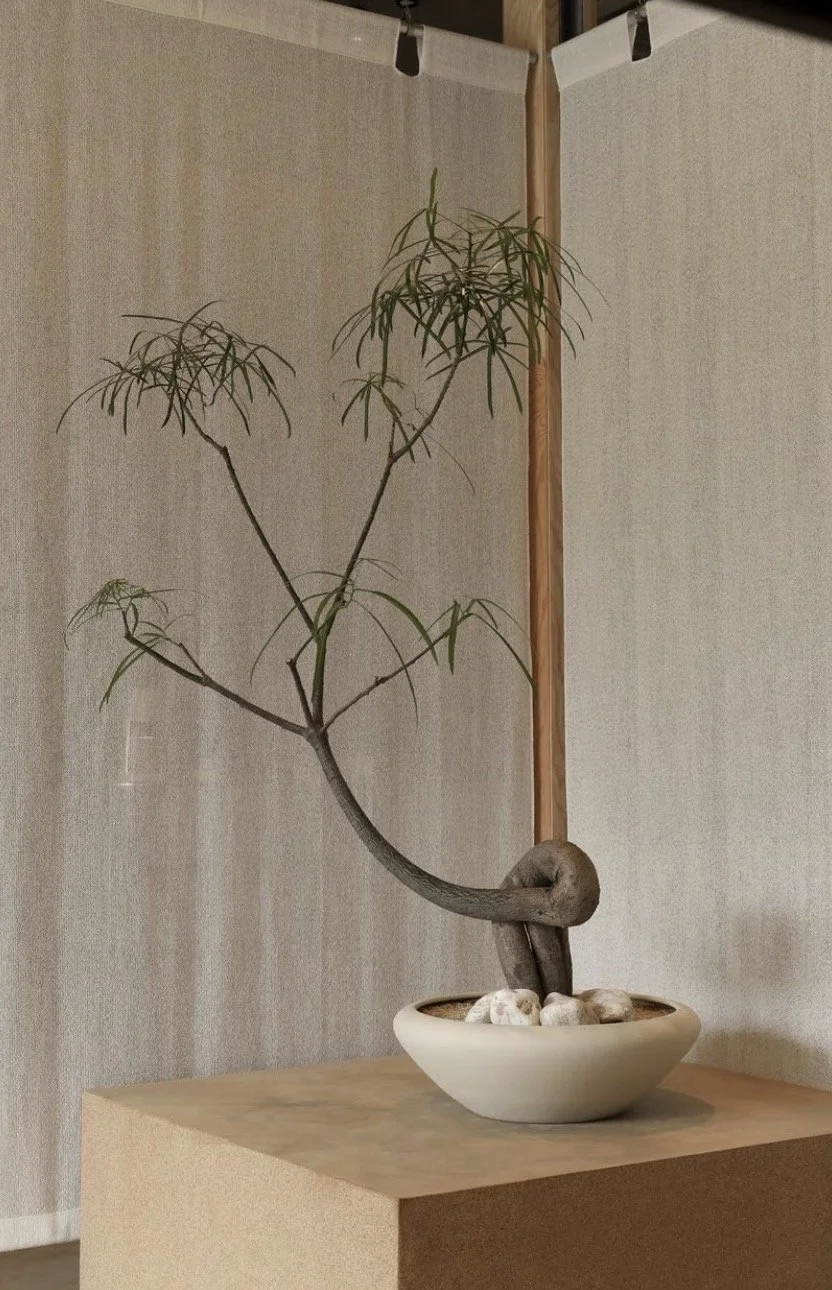
Framing and Composition
In Ikebana, each stem, leaf, and blossom is deliberately positioned to guide the viewer’s eye. The arranger considers not just the elements themselves but also the space around them. This mirrors the photographer’s approach: every shot is framed to emphasize a subject, create depth, or lead attention along a visual path. In both arts, composition is not accidental—it is the careful orchestration of elements to tell a story or evoke emotion.
The Art of Empty Space
One of the most striking similarities between Ikebana and photography is the use of negative space. In Ikebana, the spaces between flowers are as important as the flowers themselves—they allow breathing room and create rhythm. Photographers employ the same principle, using empty space to isolate the subject, add a sense of scale, or heighten emotional impact. In both cases, what isn’t there becomes as expressive as what is.
Color and Tone
Color in Ikebana is subtle yet intentional. Contrasting hues, seasonal shades, and the interplay of textures create harmony and tension. Photographers, too, carefully manipulate color—whether through lighting, filters, or post-processing—to evoke mood, highlight details, or create cohesion within the frame. Both practices require sensitivity to how colors interact and the emotional resonance they produce.
Lines, Angles, and Movement
The lines of a branch in Ikebana can lead the viewer’s eye, suggesting movement or serenity. Similarly, in photography, leading lines—whether from architecture, nature, or shadows—guide perception. Angles in both arts shape narrative: a sharply angled twig can create tension, while gentle curves convey calm. Each discipline treats geometry and perspective as tools for storytelling.
Light as a Sculptor
While Ikebana thrives under natural light to reveal textures and subtle color shifts, photography captures and manipulates light as its core medium. The play of light and shadow can transform a simple flower arrangement into a dramatic composition, highlighting depth and form. Both arts teach the observer to see beyond the obvious, to notice nuances in luminosity and the way it changes perception.
Mindfulness and Intent
Underlying these visual principles is a shared philosophy: deliberate intent. Ikebana is as much about mindfulness as aesthetics. Each placement reflects contemplation, patience, and respect for nature. Photography, though often spontaneous, reaches its highest form when the photographer approaches the scene with awareness and care, seeking not just to capture, but to interpret.
Conclusion
Ikebana and photography converge in their devotion to seeing and structuring the world thoughtfully. Both demand an appreciation for balance, space, color, light, and line. Practitioners of either art learn to compose not just objects or images, but emotions—shaping perception through subtle, intentional gestures. In this sense, Ikebana is not merely a floral practice, nor photography just mechanical; they are sister arts, teaching us the art of looking, framing, and feeling.